



About
Field ledger
Field Ledger is a personal portfolio of selected field-based works developed across research, institutional and public-interest contexts.
It brings together documentaries, interviews, event reports, photo essays and audiovisual pieces produced on site across Europe since 2018.
Key Research & Innovation Projects
in MY Portfolio









WORKS
documentaries
Documentary projects developed through extended on-site work within research, institutional and public-interest contexts.
These works move beyond overview formats, focusing instead on people, processes and environments as they operate in practice.
Rather than traditional promotional video, these documentaries offer a close look into research environments, connecting technological advancements with their real-world application.
Watch examples of documentaries
Other video campaign productions
event reports
Short-form audiovisual reports produced on site during research and institutional events.
These reports follow discussions, exchanges and moments as they unfold in conference and meeting settings, and include testimonies from project partners, stakeholders and participants.
Watch examples of event reports
interviews
Conversations with researchers, innovators, and key stakeholders, offering unique insights and perspectives into European research initiatives and their impact.
Each conversation is transformed into a dynamic multimedia package designed to maximise reach and engagement.
All interviews are edited into concise video excerpts, audio summaries and written articles, bringing together key points, quotes and reflections.
Watch examples of interviews
Read examples of articles with quotes from the video interviews
-
Watch the full video interview at MWC 2025: https://bit.ly/3IlbcpU
September 1, 2025
Peter Vetter , President of Nokia Bell Labs Core Research, delves into the critical connection between network infrastructure and artificial intelligence, revealing Europe's strategic opportunities in this rapidly evolving technological domain.
The Network as the Foundation for AI
In the rapidly evolving landscape of artificial intelligence, the role of network infrastructure often receives insufficient attention despite its fundamental importance.
Peter Vetter positions networks as the indispensable foundation upon which AI capabilities must be built:
"Network infrastructure is absolutely strategic for any region, and definitely for Europe. The network is essential for the future of AI - there's no AI without the network. It connects data, brings sensor information to data analytics and AI processing capabilities, and delivers outcomes back to robots, users, and humans."
This integrated technological ecosystem transcends simple connectivity, forming what Vetter characterizes as a "network cloud continuum" that enables innovation through cross-platform collaboration and service integration. The network becomes not just a conduit for information, but an active participant in the AI value chain.
Specialized AI: Europes Competitive Advantage
While acknowledging the dominance of general-purpose AI models from major technology corporations, Peter Vetter identifies a distinct and promising pathway for European innovation that leverages the continent's industrial strengths:
"An important opportunity for Europe is developing AI for specific industry verticals. Much of the data generated stays within private networks, creating opportunities for European industries - automotive, transportation, agriculture - to generate data and create specialized AI models that optimize and enhance productivity in those sectors."
This focus on industry-tailored AI solutions builds upon Europe's strong manufacturing heritage while opening new avenues for productivity improvements and technological differentiation. Rather than competing directly with global AI giants in general-purpose models, Europe can establish leadership in specialized applications where local data, domain expertise, and regulatory compliance create competitive advantages.
Responsible AI for Network Management
Looking toward the future, Peter Vetter envisions a dynamic interplay between networks and AI, where artificial intelligence becomes central to managing network complexity while maintaining European values of transparency and responsibility:
"Networks, technology itself, is a differentiator and a strength in Europe. AI will play an important role in dealing with the complexity of the network, auto-generating services. And the opportunity is to do that in a transparent way, in a responsible way, in a fair way, and with a privacy-preserving approach."
Europe's advanced regulatory framework provides a strong foundation for developing trustworthy AI systems that protect privacy and acknowledge human contributions. This regulatory advantage, often seen as a constraint, becomes a competitive differentiator when properly leveraged:
"This approach leverages the strength of both networks and AI, utilizing regulatory frameworks that ensure fairness in the competitive ecosystem. This way, the AI that is generated can be trusted, incorporates privacy preservation, and values human contributions."
-
Watch the full video interview: http://bit.ly/464laUO
In this November edition of our Newsletter, we are pleased to share some strategic insights from Magnus Frodigh, Vice President & Head of EricssonResearch, on transforming Europe's network infrastructure into a catalyst for digital leadership.
During this interview, we had the opportunity to explore how Europe can leverage its industrial strengths through strategic connectivity deployment, combining advanced networks with edge computing to create sustainable competitive advantages in the global digital economy.
Network Infrastructure as Europe's Digital Foundation
As global competition intensifies in the digital economy, Europe stands at a critical juncture in leveraging its technological assets. Magnus Frodigh articulates a comprehensive vision for network infrastructure that transcends traditional connectivity:
"Digitalisation is absolutely key for Europe as for all other regions. And in order to be competitive, we really need to use the full power of the networks. And we need to complement that with edge computing."
This holistic approach positions networks as the bedrock of digital transformation, creating a distributed intelligence layer essential for European competitiveness. The integration of edge computing with robust connectivity enables processing closer to where data is generated: critical for automotive safety systems, industrial automation, and real-time AI applications.
The true power of this infrastructure lies not just in its existence, but in its accessibility. Magnus emphasises the importance of making these capabilities available to innovators across Europe:
"We may need to make the APIs out of the network so you can have a richer use of all of these capabilities. So it's the most important role, I would say, for Europe."
These programmable interfaces become the gateway to digital sovereignty, enabling European companies to build innovative services without dependency on external platforms. By exposing network capabilities through well-designed APIs, Europe can foster an ecosystem where startups, SMEs, and established enterprises alike can leverage advanced connectivity features to create differentiated services and applications.
This approach addresses a fundamental challenge in digital transformation: ensuring that sophisticated network capabilities don't remain locked within telecommunications infrastructure but become accessible building blocks for broader innovation. The result is a democratisation of advanced connectivity, where the full potential of 5G, edge computing, and future 6G capabilities can be harnessed by the entire European digital ecosystem.
Strategic Evolution: From Vertical Breakthroughs to Horizontal Platforms
Magnus Frodigh outlines a pragmatic approach that balances immediate value creation with long-term platform development:
"Time is running fast. So this is about getting breakthroughs for vertical industry sectors, and start to develop what each and every vertical needs, and make that working on the full ecosystem."
This targeted strategy allows Europe to demonstrate tangible value quickly while building foundations for scalable solutions. Rather than attempting to create universal platforms from the outset, the approach focuses on solving concrete problems in specific sectors where Europe already possesses strong domain expertise and industrial presence.
The evolution from vertical to horizontal represents a deliberate strategy for sustainable platform development:
"And then when you see what's needed, then you start to horizontalise so you can offer the same capabilities to many different verticals and make an efficient network platform."
This evolution mirrors successful patterns across the European digital ecosystem. Starting with concrete use cases in sectors such as automotive, manufacturing, or healthcare allows for rapid validation and refinement of connectivity solutions. As patterns emerge and common requirements become clear, these sector-specific solutions can be abstracted into platform capabilities that serve multiple industries.
The approach ensures that platform development is grounded in real-world needs rather than theoretical frameworks. Automotive applications might reveal requirements for ultra-low latency and high reliability, manufacturing use cases might emphasise precise positioning and deterministic communication, while healthcare applications might prioritise security and privacy. By understanding these diverse requirements through vertical deployment, the resulting horizontal platform naturally incorporates the features necessary for broad applicability.
This methodology maximises return on infrastructure investments through cross-sector applicability while minimising the risk of building capabilities that lack market demand. It's a learning-by-doing approach that transforms early adopter experiences into scalable platform features, creating network infrastructure that serves Europe's diverse industrial landscape efficiently.
Magnus Frodigh champions a strategy that transforms established industrial leadership into digital advantage, recognising that Europe's competitive edge lies in combining traditional strengths with emerging technologies:
"We need to build on our strength and combine that with the new technologies. So I think we have a lot of connected things in our industries that could benefit from this connectivity layer."
This convergence of physical and digital excellence positions Europe uniquely in the global landscape. Rather than abandoning traditional industrial sectors in pursuit of pure digital businesses, the strategy recognises that Europe's manufacturing heritage, engineering excellence, and domain expertise represent invaluable assets in the connectivity era.
The practical application of this philosophy extends across Europe's industrial strengths:
"Making industry robots, making automated self-driving cars, etc. I think we need to go on all of these different sectors where we in Europe are strong, and then use connectivity on top of this."
This approach leverages Europe's manufacturing heritage as a competitive differentiator in the digital age. Consider the automotive sector, where European manufacturers combine decades of engineering expertise with advanced connectivity to create vehicles that are not just connected but intelligently integrated into broader mobility ecosystems. Or industrial automation, where European robotics companies enhance their mechanical precision with real-time connectivity, enabling adaptive manufacturing systems that respond instantly to changing conditions.
The combination of domain expertise, quality engineering, and advanced connectivity creates solutions that pure software companies cannot replicate. A digital platform provider might offer cloud services and APIs, but they lack the deep understanding of manufacturing processes, automotive safety requirements, or healthcare regulations that European industrial companies possess. When these traditional strengths merge with cutting-edge connectivity capabilities, the result is differentiated solutions that deliver genuine value in complex, regulated, safety-critical environments.
This strategy also addresses a fundamental economic reality: Europe's competitive advantage in the global digital economy will not come from competing directly with hyperscale cloud providers or consumer internet platforms. Instead, it emerges from applying advanced connectivity to sectors where Europe already leads, creating integrated physical-digital solutions that leverage both technological sophistication and industry-specific expertise.
The Convergence Advantage: Europe's Path Forward
Magnus Frodigh's perspective illuminates how network infrastructure serves as a force multiplier for European competitiveness. The convergence of edge computing, cloud services, and advanced connectivity creates an integrated platform that enhances industrial capabilities while maintaining data sovereignty and security-essential elements for Europe's digital autonomy.
This vision recognises that competitiveness in the digital age requires more than simply deploying advanced networks. It demands a strategic framework that makes network capabilities accessible through programmable interfaces, validates solutions through vertical breakthroughs before horizontal scaling, and amplifies existing industrial strengths through connectivity integration.
The approach offers Europe a distinctive path that doesn't require abandoning traditional economic sectors or attempting to replicate the consumer-focused digital platforms of other regions. Instead, it builds on established strengths-manufacturing excellence, engineering quality, regulatory expertise, and domain knowledge-while augmenting them with the transformative capabilities of advanced connectivity.
As Europe advances its Smart Networks and Services Joint Undertaking (SNS JU) initiatives and prepares for 6G, this framework provides a roadmap for ensuring that network infrastructure translates into tangible economic value. By focusing on accessibility, pragmatic evolution, and industrial integration, Europe can transform connectivity from a commodity infrastructure layer into a strategic enabler of digital leadership.
This vision of network-enabled industrial transformation offers Europe a sustainable competitive advantage in the global economy-one that leverages decades of industrial excellence while embracing the full potential of advanced connectivity technologies to create solutions that serve both European industries and global markets.
-
Watch the full interview at MWC 2025: http://bit.ly/47UxyJu
January 12, 2026
Europe stands at a unique intersection where decades of leadership in two critical industries, telecommunications and automotive manufacturing, create unprecedented opportunities for innovation. Maxime Flament, Chief Technology Officer at the 5G Automotive Association (5GAA), articulates this strategic advantage with compelling clarity:
"Automotive and telcos have been real leaders in their domain within Europe for many generations of telecommunications. So we really need to grasp this opportunity and then use, for example, connected mobility and connected cars as a perfect storm for really investing in research and innovation for 6G and taking this as a real use case."
This convergence represents more than a technological opportunity; it embodies Europe's potential to define global standards for connected mobility. Within the broader context of Europe's digital transformation, the automotive sector emerges as a prime example of how traditional industrial strengths can be amplified through advanced connectivity. The synergy between these sectors demonstrates the power of the converged telco-edge-cloud paradigm, where industry-specific applications drive innovation while contributing to the development of horizontal platforms that benefit multiple verticals.
From Connectivity to Intelligence: The 5G Transformation
While acknowledging the automotive industry's proactive approach to connectivity, Maxime Flament challenges the telecommunications sector to deliver on its advanced promises:
"The automotive industry has not really been waiting for 5G to connect cars. At least 85% of cars are already connected with 4G and 5G is another step for continuous improvement. What we would like is that 5G is not only a bit pipe, but it's also fulfilling some promises that were given to the verticals."
This distinction between basic connectivity and advanced network capabilities defines the next frontier in automotive innovation. The transformative potential lies not in simple data transmission but in sophisticated network features:
"Quality of service and mobile edge computing are features of 5G that would really facilitate automation. That would support mobility and improve road safety."
These capabilities enable real-time processing, ultra-low latency communication, and guaranteed service levels, essential requirements for advanced driver assistance systems and vehicle automation. The integration of AI into these networks further enhances their capability, creating intelligent systems that can adapt to traffic patterns, predict maintenance needs, and optimize route planning. This represents the evolution from networks as mere communication channels to networks as enablers of intelligence, a transformation that positions connectivity as the bedrock of digital industries.
Creating a Seamless European Mobility Ecosystem
The vision for connected mobility in Europe extends beyond technological capabilities to encompass operational excellence across borders. Maxime Flament identifies a critical requirement for realizing this vision:
"Mobile network operators over the years have been investing a lot in 5G technologies. We really need an additional step to make services available all over Europe, so that vehicle manufacturers can entrust these systems, really use these systems as an integral part of their mobility solutions."
This pan-European consistency requirement becomes particularly crucial for advanced services that depend on continuous availability:
"We have the example of mobile edge computing, which has to be available across all the borders and make sure that it is consistently offered to the vehicles, so that the vehicle that is coming from Germany and then goes to France will enjoy the same kind of services with the same kind of quality of service."
The challenge transcends technical implementation to require unprecedented coordination among operators, regulators, and manufacturers across national boundaries. This aligns with Europe's broader strategic objective of creating a unified digital market where services operate seamlessly across borders. The automotive sector's requirements for cross-border functionality serve as a catalyst for developing the infrastructure and regulatory frameworks that will benefit all industries requiring pan-European digital services.
The Industrial Path to Digital Leadership
The automotive sector's journey toward full connectivity illustrates a broader pattern in Europe's digital transformation: the evolution from vertical, industry-specific solutions to horizontal platforms that serve multiple sectors. Initially, connected car services address specific automotive needs: navigation, safety, entertainment. However, as these solutions mature, they create capabilities applicable across transportation, logistics, smart cities, and beyond.
This progression from vertical to horizontal innovation reflects Europe's strategic approach to technology development. By starting with concrete, industry-specific use cases where Europe has established expertise, the continent can develop robust solutions that later scale across sectors. The automotive industry's demanding requirements for reliability, safety, and real-time performance push the boundaries of what's possible with 5G and 6G networks, driving improvements that benefit the entire digital ecosystem.
The Road Ahead: From Vision to Implementation
Maxime Flament's perspective illuminates a pathway where Europe's automotive and telecommunications sectors evolve from parallel excellence to integrated innovation. This transformation requires more than technological advancement; it demands a fundamental rethinking of how industries collaborate, how services are deployed across borders, and how traditional manufacturing integrates with digital capabilities.
The successful implementation of connected mobility services across Europe will serve as a proof point for the continent's ability to translate research and innovation into market reality. Through large-scale trials and pilots that test cross-border functionality, quality of service guarantees, and edge computing capabilities, Europe is building the evidence base for widespread deployment. These real-world implementations provide crucial feedback that shapes standards development, ensuring that future 6G specifications reflect practical requirements rather than theoretical possibilities.
As Europe advances toward 6G, the automotive sector's experience with 5G deployment offers invaluable lessons about the importance of ecosystem coordination, the need for consistent cross-border services, and the value of building on existing industrial strengths. The convergence of automotive and telecommunications excellence doesn't just create better cars, it establishes a model for how Europe can maintain competitiveness in the global digital economy by leveraging its unique combination of industrial heritage, regulatory frameworks, and commitment to values-driven innovation.
Photos & Essays
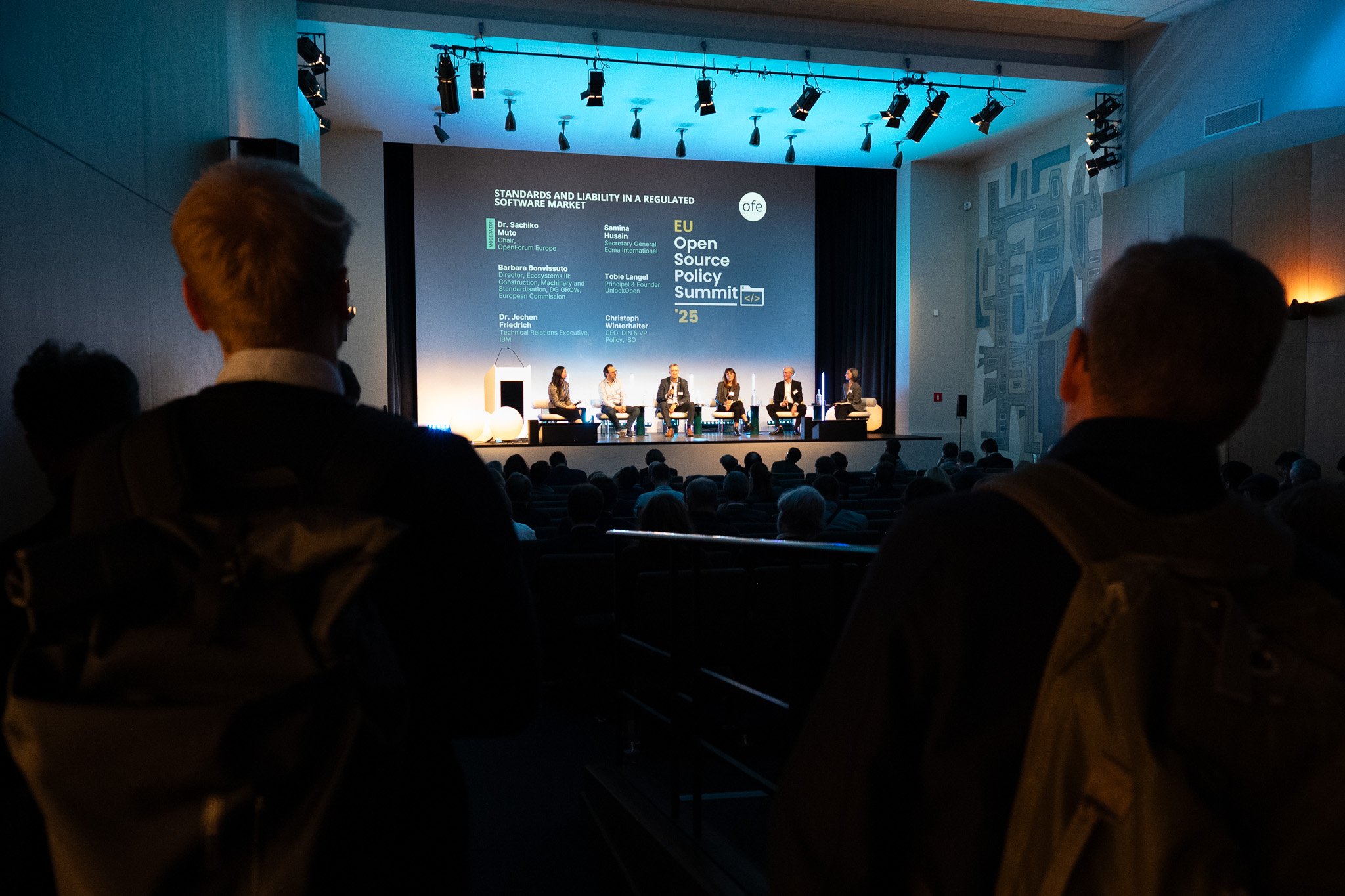
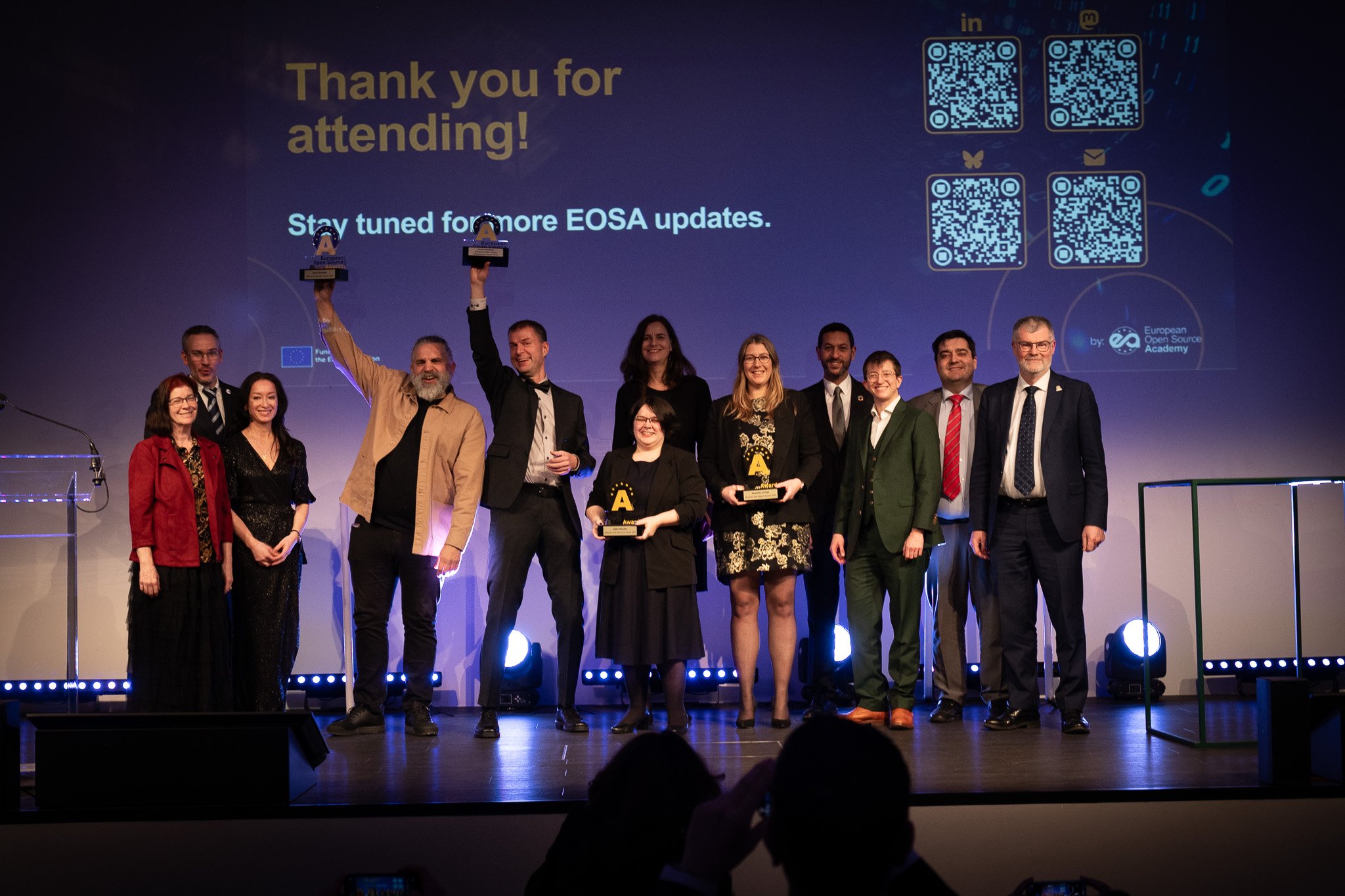
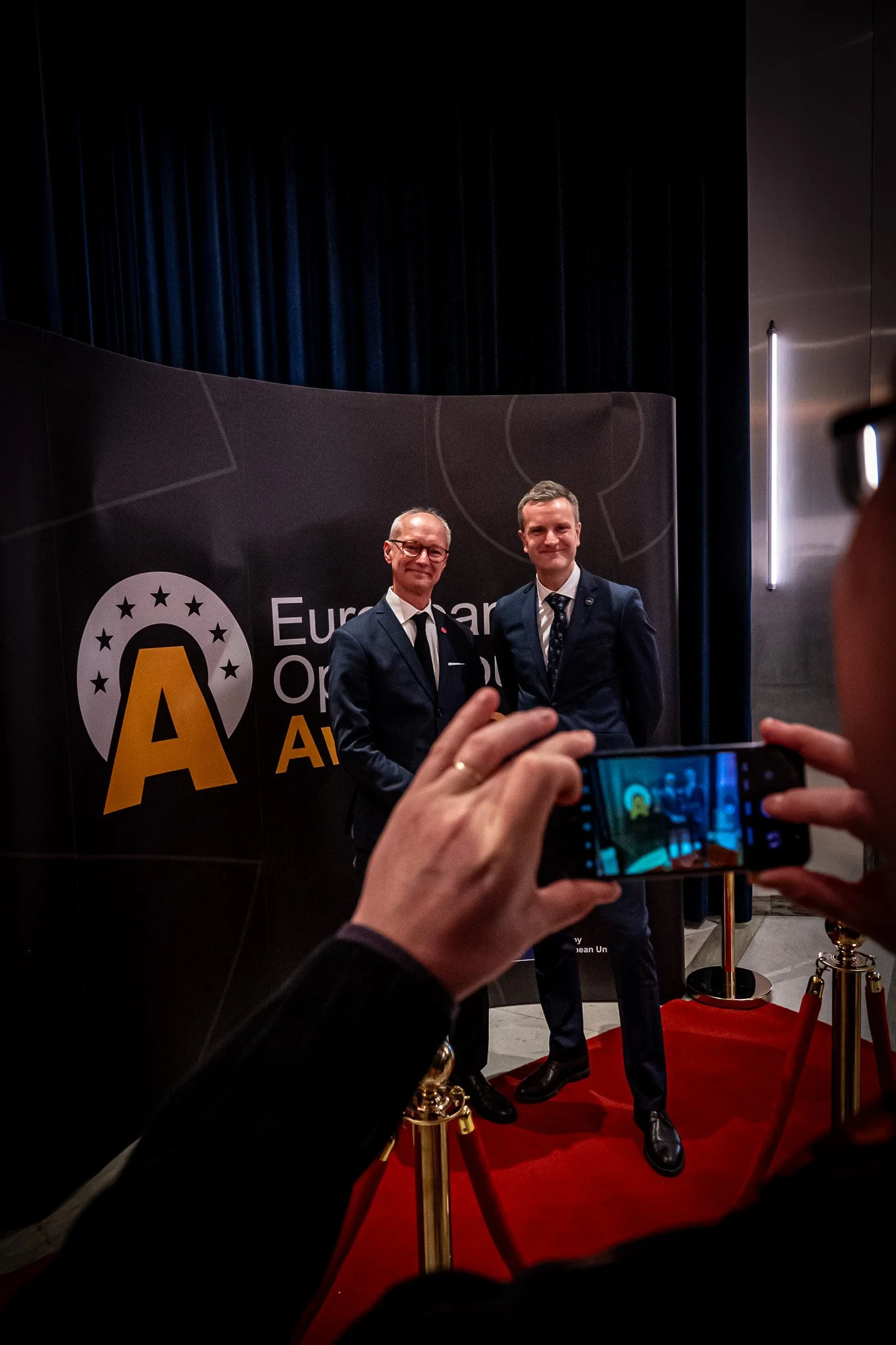
Photo essays and visual notes captured during fieldwork across European research events and institutional settings.
These works document the spaces, moments and encounters that shape research environments: from conference halls and laboratories to informal exchanges between sessions.
Each essay combines photography with contextual narrative, offering a reflective look at the human and spatial dimensions of science and innovation policy in action.


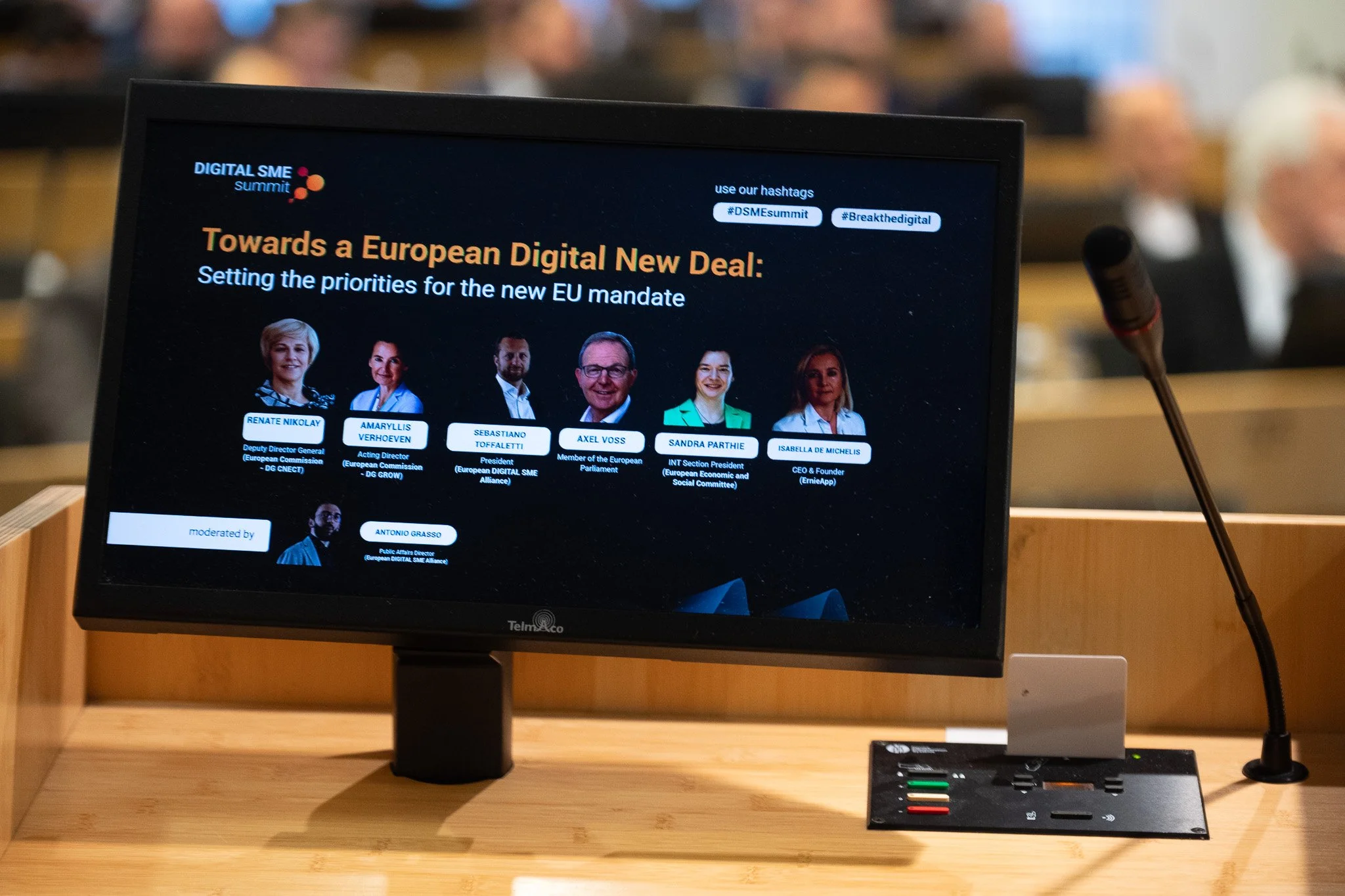

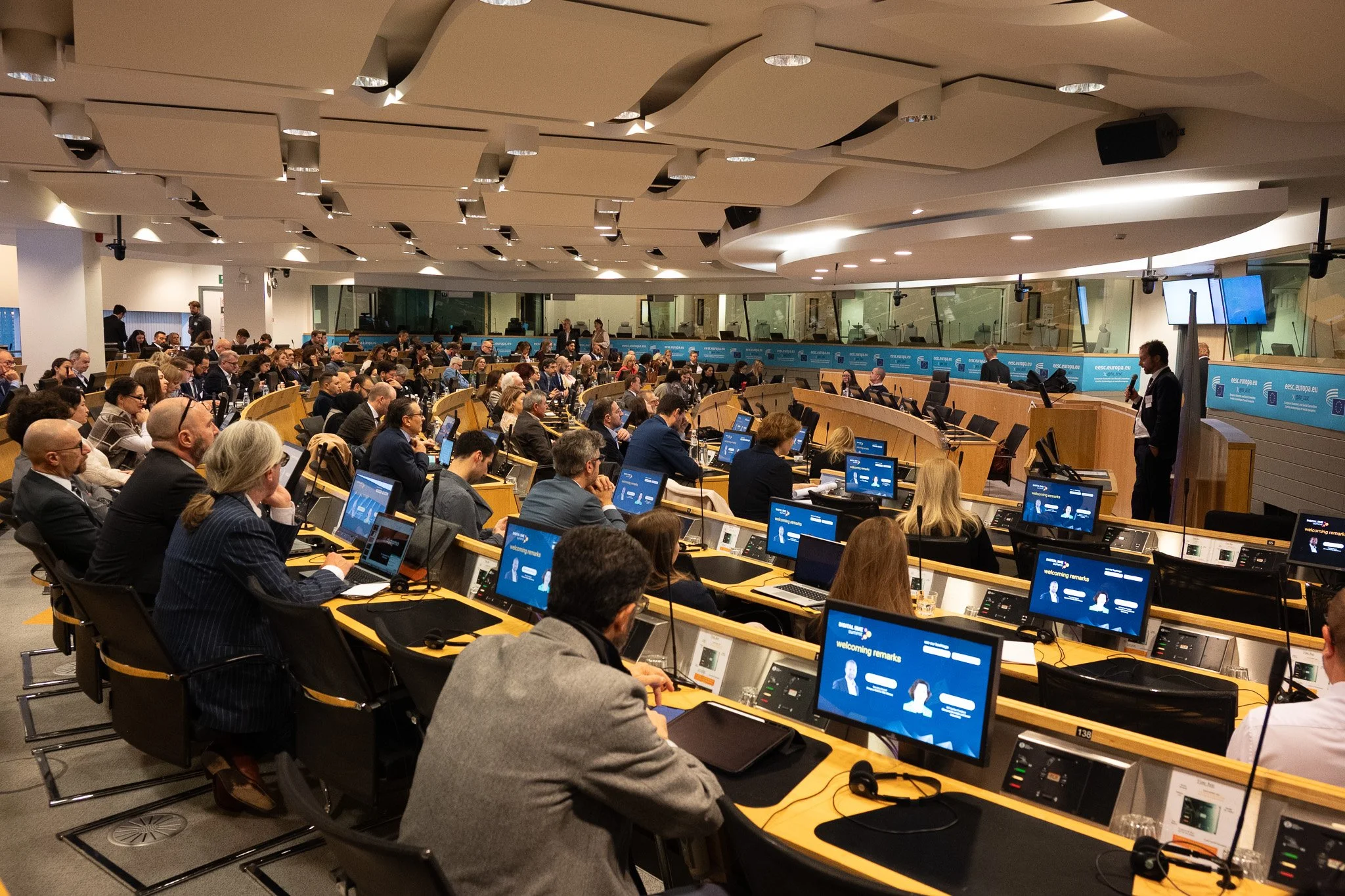

Browse examples of essays
Each piece weaves together professional photography, key insights, and narrative journalism to create engaging, magazine-style coverage of significant project moments.
INSTAR's Kick-off Meeting Insights. From Brussels, a firsthand look at the launch of an ambitious initiative bringing together EU Commission leaders and international policy officers. This reportage captures the strategic discussions and collaborative vision for shaping international standards in emerging technologies.
The Serious Smiley Game at Dublin City University. A journey inside a dynamic session where HSbooster.eu transforms standardisation education through gamification. The reportage follows industry experts and master's students as they test an innovative approach to learning committee dynamics, turning complex processes into engaging experiences.
CYBERSTAND at DIGITAL SME Summit 2024. An event where Join over 900 delegates gathered in Brussels where industry leaders and policymakers chart the future of cybersecurity standards. This reportage follows CYBERSTAND's dynamic presence at the summit, capturing key announcements and the project's role in shaping Europe's digital resilience
The culmination of quantum computing excellence, where international researchers converged to showcase breakthrough achievements in Quantum Monte Carlo simulations. This symposium bridged theoretical innovation with exascale computing reality, demonstrating the project's transformative impact on computational chemistry.
Among 300 global attendees, the New European Bauhaus digital transformation took center stage. This hybrid event attracted experts intersted in sustainable urban futures, demonstrating how digital innovation shapes climate-neutral cities through collaborative European vision.
A pivotal gathering where Europe's digital sovereignty ambitions took concrete form. Project leaders unveiled their 36-month roadmap for transforming cloud infrastructure, bringing together consortium partners to chart the course toward secure, interoperable digital solutions for the continent's future.